Highlights:
- Most homeowners spend between $15,000 and $80,000 to remodel a kitchen in 2026, while luxury projects with custom features and structural changes can exceed $150,000.
- Cabinets and labor are typically the two largest expenses, together accounting for nearly half of the total remodeling budget.
- Keeping the existing kitchen layout is one of the most effective ways to control costs, since moving plumbing, gas lines, or walls can add thousands of dollars.
- Setting aside a 15% to 20% contingency fund is essential to cover hidden issues such as water damage, mold, outdated wiring, or structural repairs.
- A typical kitchen remodel takes 6 to 16 weeks once construction begins, but planning, design, and material ordering should start several months in advance.
- Cost-saving strategies such as choosing semi-custom cabinets, midrange materials, and appliance package deals can reduce expenses without sacrificing quality.
- Midrange kitchen remodels often provide the best return on investment, improving daily functionality while boosting resale appeal.
A kitchen remodel is one of the most exciting and valuable projects a homeowner can take on. It can improve the way your home functions, make everyday cooking easier, and significantly increase resale value. But before you start choosing cabinet colors or comparing countertops, one question usually comes first: how much does it cost to remodel a kitchen in 2026?
The answer depends on the size of your kitchen, the materials you select, the amount of labor required, and whether you plan to change the layout. A simple cosmetic update can cost far less than a full-scale renovation that involves moving plumbing, electrical, and walls.
In 2026, most homeowners can expect to spend anywhere from $15,000 to $80,000 or more for a kitchen remodel, with luxury renovations exceeding six figures. Understanding where your money goes will help you set realistic expectations and make informed decisions throughout the process.
This guide breaks down kitchen remodeling costs from start to finish so you can plan your budget with confidence.
What Is the Average Cost to Remodel a Kitchen in 2026?
Kitchen remodeling costs vary widely, but most projects fall into three general categories.
Minor Kitchen Remodel: $15,000 to $30,000
A minor remodel focuses on cosmetic and functional upgrades without altering the existing layout. This option is ideal if your kitchen works well but looks dated.
Typical improvements include:
- Painting or refacing cabinets
- Installing new countertops
- Replacing the sink and faucet
- Updating lighting fixtures
- Adding a tile backsplash
- Purchasing a few new appliances
- Installing new flooring
This type of renovation offers one of the best returns on investment because it refreshes the space while keeping labor and structural costs under control.
Midrange Kitchen Remodel: $30,000 to $70,000
A midrange remodel often includes semi-custom cabinetry, upgraded appliances, better materials, and modest layout changes.
Common upgrades include:
- New semi-custom cabinets
- Quartz or granite countertops
- Energy-efficient appliances
- Durable flooring
- New plumbing fixtures
- Improved task lighting
- Expanded storage solutions
This budget range strikes a balance between style, functionality, and long-term durability.
Major or Luxury Kitchen Remodel: $70,000 to $150,000+
A high-end remodel typically involves custom cabinetry, premium materials, and significant structural modifications.
Luxury projects may include:
- Fully custom cabinets
- Professional-grade appliances
- Natural stone countertops
- Large islands with seating
- Smart home technology
- Built-in beverage stations
- Structural wall removal
These remodels are tailored to homeowners who want a showpiece kitchen with high-end finishes and advanced features.
How Much Does Kitchen Size Affect Remodeling Costs?
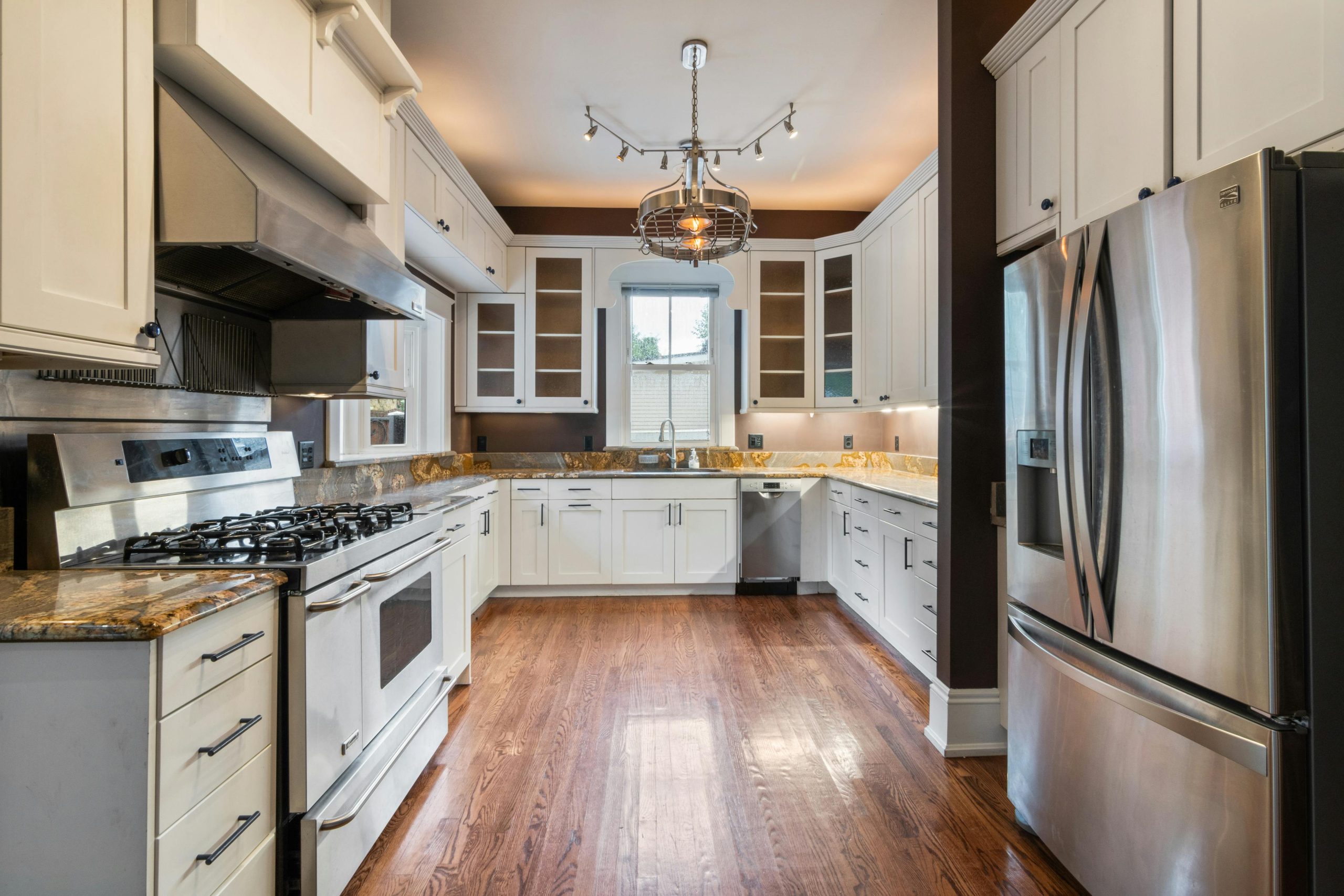
The larger the kitchen, the more materials and labor are required. More cabinets, additional flooring, and larger countertop surfaces all contribute to higher costs.
Estimated costs by kitchen size:
- Small kitchen (70–100 sq. ft.): $15,000 to $35,000
- Medium kitchen (100–200 sq. ft.): $25,000 to $70,000
- Large kitchen (200+ sq. ft.): $50,000 to $150,000+
A small kitchen can still be expensive if you choose custom cabinetry or premium appliances, while a larger kitchen can remain affordable if you use cost-conscious materials.
Where Does the Money Go?
Many homeowners are surprised to learn that cabinets usually represent the largest portion of the budget.
Typical cost breakdown:
- Cabinets: 25% to 35%
- Labor: 20% to 30%
- Appliances: 10% to 20%
- Countertops: 10% to 15%
- Flooring: 5% to 10%
- Lighting and electrical: 5% to 10%
- Plumbing fixtures: 3% to 7%
- Permits and inspections: 1% to 5%
Understanding these percentages helps you prioritize where to invest and where to save.
How Much Do Kitchen Cabinets Cost?
Cabinets are often the biggest line item in any kitchen remodel.
Average cabinet costs in 2026:
- Stock cabinets: $5,000 to $12,000
- Semi-custom cabinets: $10,000 to $25,000
- Custom cabinets: $25,000 to $60,000+
Stock Cabinets
Stock cabinets are pre-manufactured in standard sizes and are the most budget-friendly option.
Semi-Custom Cabinets
Semi-custom cabinets allow adjustments in dimensions, finishes, and accessories, offering more flexibility.
Custom Cabinets
Custom cabinetry is built to your exact specifications and provides unlimited design options.
What Will Countertops Cost?
Countertop pricing depends on material selection and total square footage.
Average installed costs:
- Laminate: $20 to $60 per square foot
- Butcher block: $40 to $100 per square foot
- Granite: $50 to $150 per square foot
- Quartz: $60 to $180 per square foot
- Marble: $100 to $250+ per square foot
Quartz remains one of the most popular choices because it is durable, low-maintenance, and available in many styles.
Appliance Costs in 2026
Appliances can consume a substantial part of your budget.
Typical price ranges:
- Refrigerator: $1,000 to $12,000
- Range or cooktop: $800 to $10,000
- Dishwasher: $500 to $2,500
- Microwave: $200 to $1,500
- Range hood: $500 to $5,000
Package deals may offer savings when purchasing several appliances from the same manufacturer.
Flooring Costs
Kitchen flooring must withstand moisture, spills, and heavy foot traffic.
Average installed prices:
- Vinyl plank: $3 to $10 per square foot
- Ceramic tile: $5 to $15 per square foot
- Porcelain tile: $6 to $20 per square foot
- Engineered hardwood: $7 to $18 per square foot
- Natural stone: $10 to $30+ per square foot
Luxury vinyl plank remains a favorite for homeowners seeking durability and affordability.
Plumbing and Fixture Costs
Upgrading plumbing fixtures improves both function and appearance.
Typical costs:
- Sink: $300 to $2,000
- Faucet: $150 to $1,500
- Garbage disposal: $200 to $800 installed
- Pot filler: $400 to $1,200 installed
Relocating plumbing lines will significantly increase labor costs.
Electrical and Lighting Expenses
Modern kitchens require adequate lighting and enough outlets to support appliances.
Common electrical upgrades include:
- Recessed lighting
- Pendant fixtures
- Under-cabinet lighting
- Dedicated appliance circuits
- USB and smart outlets
Estimated cost: $2,000 to $8,000 or more, depending on the complexity of the work.
Backsplash Costs
A backsplash protects walls and adds visual interest.
Installed cost ranges:
- Ceramic tile: $800 to $2,500
- Glass tile: $1,200 to $4,000
- Natural stone: $1,500 to $5,000+
This relatively small feature can have a major impact on the finished look.
Labor Costs and Contractor Fees
Professional labor generally accounts for 20% to 30% of the total remodeling budget.
Trades involved may include:
- General contractor
- Cabinet installer
- Electrician
- Plumber
- Flooring specialist
- Tile setter
- Painter
Coordinating all of these professionals is one reason many homeowners hire a general contractor rather than handling scheduling themselves. If you decide to oversee the work personally, learning how to manage multiple contractors for a kitchen remodel can help prevent scheduling conflicts and costly delays.