Planning home improvements can significantly impact the quality and outcome of your projects. Understanding the right time and approach for each aspect ensures effective and efficient enhancements to your living space. This article delves into various home improvement projects, providing insights on when and how to execute each one for the best possible results.
1. When is the best time to contact a siding and roofing company?
1.1. Seasonal considerations for siding installation
Engaging with a siding company requires strategic planning, with seasonal factors playing a crucial role. The spring and summer months are ideal for siding installation due to milder weather conditions. Avoiding cold and wet conditions not only eases the installation process but also ensures the longevity of the materials used.
The demand for siding services often peaks in warmer months, so scheduling in advance can avoid delays. It is recommended to consult with a siding company early in the year to secure your spot during optimal seasons. Scheduling flexibility can lead to cost savings and ensure timely project completion.
Moreover, warmer temperatures allow siding materials to expand naturally, reducing the risk of buckling during installation. Seasonal timing ensures that the siding is installed when the material’s properties perform best. This approach aids in achieving an excellent finish with maximum durability against varying climatic conditions.
1.2. Choosing the right materials for your climate
Material selection is critical when considering siding installation, as it must endure local climate conditions. Options like vinyl, wood, and fiber cement each have unique properties that make them suitable for different environments. It’s crucial to work with a siding company familiar with regional climate demands to choose the best material.
An experienced contractor will assess factors such as average rainfall, wind speeds, and temperature ranges to recommend siding materials that provide optimal protection. For example, vinyl siding performs well in fluctuating climates due to its flexibility and durability. Conversely, areas with high humidity might benefit from fiber cement siding, known for its resistance to moisture and bugs.
Evaluating material longevity and maintenance costs upfront can save homeowners from future repairs or replacements. Cost efficiency over the long term is an essential consideration when choosing siding materials. By aligning material choice with climate demands, you enhance both the aesthetic and functional aspects of your home exterior.
1.3. Budgeting for siding projects
Budgeting for a siding project involves calculating both material and labor costs, which can vary widely based on choice and region. Engaging multiple siding companies to request detailed estimates can offer insights into standard pricing and reveal any potential unexpected costs. Thoroughly reviewing these quotes ensures clear expectations and helps avoid budget overruns.
It is beneficial to set aside a contingency fund that accounts for potential additional expenses, like structural repairs uncovered during installation. This foresight helps prevent project delays and maintains overall project fluidity. Additionally, discussing financing options with your siding company may provide financial flexibility and peace of mind.
Consideration of long-term savings offered by energy-efficient materials can also justify initial investment costs. High-efficiency siding can reduce energy consumption by improving insulation, resulting in decreased monthly utility expenses. Ultimately, a carefully planned and realistic budget supports seamless project execution while protecting financial resources.
2. How to determine if you need foundation or crawlspace repair?

2.1. Signs of foundation damage in your home
Foundation issues often manifest in subtle ways before becoming apparent problems, making early detection vital. Cracks in walls, uneven flooring, and windows or doors that refuse to close properly are common indicators of foundation damage. Identifying these signs early allows for timely intervention and assessment by a qualified foundation repair specialist.
Implementing regular inspections can help detect minor issues before they escalate into significant concerns. Over time, small shifts in the foundation can accumulate, leading to extensive damage that requires costly repairs. Engaging a professional foundation repair expert ensures a comprehensive evaluation of both internal and external symptoms.
Unaddressed foundation issues can lead to serious structural problems throughout the home, including plumbing and electrical concerns. Proactive inspection and repair help maintain structural integrity and safety. Tackling foundation problems early helps safeguard the home’s lifespan and the resident’s peace of mind.
2.2. Timing your foundation repair for minimal disruption
Choosing the right time for foundation repair is essential for minimizing inconvenience and ensuring favorable weather conditions. Dry seasons are generally preferred for foundation work, as excessive moisture can complicate repair processes. Planning around seasonal weather changes not only stabilizes work conditions but also accelerates project timelines.
Foundation repair can be disruptive, affecting daily activities, so it’s best scheduled when family routines are flexible. Communicating with repair professionals about scheduling and expected timelines enables seamless integration with family plans. This planning ensures both personal convenience and optimal conditions for repair work.
Securing repair services during less busy periods may also offer cost advantages, as demand dictates pricing. Contractors are often more available and willing to offer competitive pricing when demand is low. Consequently, thoughtful scheduling can decrease project cost and stress, while ensuring a high-quality repair.
2.3. Comparing costs and benefits of different repair methods
Foundation repair solutions vary in complexity and cost, and understanding these differences is key to making informed decisions. Techniques such as piering, slab jacking, and underpinning address different types of foundation issues and offer distinct advantages. Consulting with multiple foundation repair specialists provides a broader perspective on available options and price ranges.
Each repair method’s cost largely depends on the severity of the damage, foundation type, and geographical location. A detailed cost-benefit analysis helps determine the most value-driven option for your specific foundation needs. Conducting this analysis ensures that investment in foundation repair yields measurable longevity and safety improvements.
Balancing cost with repair efficiency maximizes both short- and long-term satisfaction. While more extensive repairs may carry higher upfront costs, they often provide more sustainable and durable results. Prioritizing quality over economy ultimately fosters enhanced property value and structural integrity.
3. What to expect from waterproof companies?
3.1. Evaluating your home’s need for waterproofing services
Identifying the necessity for waterproofing measures involves assessing areas prone to moisture and water intrusion. Basements, crawl spaces, and low-lying or flood-prone sections of a home are particularly vulnerable. A professional evaluation conducted by waterproofing companies can reveal weak points needing reinforcement.
Waterproofing isn’t just about immediate protection; it encompasses preventive measures that safeguard against future issues. Moisture buildup can lead to mold growth, structural decay, and air quality deterioration. Investing in professional waterproofing enhances home health, safety, and longevity.
Proactive waterproofing measures offer peace of mind, ensuring that homes withstand extreme weather and accidental leaks. Continuous monitoring and regular maintenance of waterproofing systems can avert potential damage. Enlisting expert waterproofing companies provides comprehensive protection solutions tailored to individual home needs.
3.2. Pricing and long-term benefits of waterproofing
Costs for waterproofing services can vary based on project scope, materials, and methods employed. Waterproofing companies typically provide cost breakdowns that include initial installation as well as potential maintenance work. Understanding this financial landscape allows homeowners to budget appropriately for both immediate and future needs.
Investing in premium waterproofing solutions often results in significant long-term savings by preventing water-related damages. The cost of repairs and replacements far exceeds initial waterproofing investment over time. Waterproofing contributes to a home’s resilience, reducing potential insurance claims due to water damage.
Moreover, effective waterproofing measures increase property value, as potential buyers place high value on a dry, mold-free home. Demonstrating a commitment to maintenance through waterproofing documentation can enhance selling points. This proactive approach positions waterproofing as both a cost-saving and value-boosting endeavor.
3.3. Integrating waterproofing with other home improvements
Successfully integrating waterproofing with other home improvement projects amplifies the benefits of both initiatives. Planning waterproofing services concurrently with other projects like basement finishing or landscaping can optimize labor and material sharing. Waterproofing companies often collaborate with contractors to ensure comprehensive coverage during complex upgrades.
Simultaneous execution of related projects minimizes disruptions and maximizes efficiency. For example, addressing water drainage during foundation repair or siding installation enriches project outcomes. Integration ensures each enhancement complements others, elevating overall home performance.
This multi-pronged approach not only improves home functionality but also streamlines budget management. Combining waterproofing with structural and aesthetic upgrades leverages labor scalability and resource utilization. Thoughtful integration thus underpins successful, holistic home transformations.
4. Getting a roof estimate: what you need to know
4.1. Key elements of an accurate roofing estimate
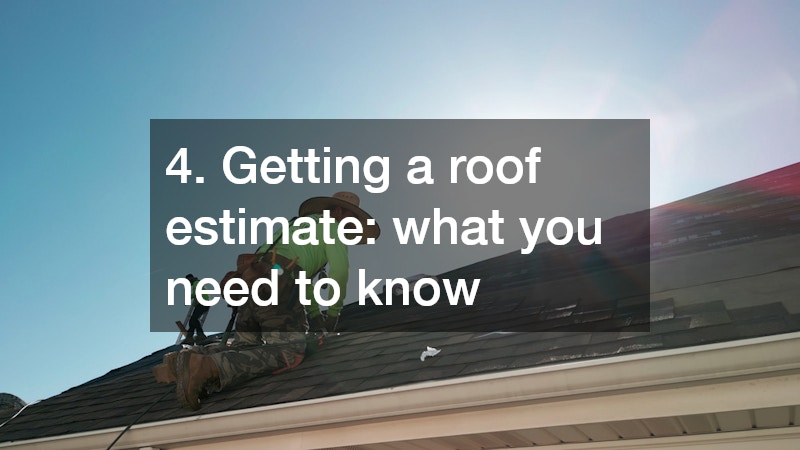
An accurate roofing estimate encompasses several essential components that ensure transparency and clarity for homeowners. Detailed estimates should outline labor costs, material expenses, project timelines, and any potential add-on services required. Reputable roofing companies provide comprehensive evaluations that cover both standard and exceptional conditions encountered.
Consultations with multiple roofing contractors lead to a balanced view of market prices and expected project outcomes. Comparing estimates facilitates the identification of discrepancies or innovative solutions that offer additional value. Transparent and thorough roofing estimates empower informed decision-making based on clear expectations and needs alignment.
Additionally, understanding warranty offerings and post-installation service options can impact long-term value. A roofing estimate must detail the coverage extent and limitations to avoid unexpected costs in the future. Reviewing contract terms ensures clear communication and fosters a positive, mutually beneficial contractor relationship.
4.2. Timing your roofing project for best results
Optimal timing for roofing projects depends on both seasonal conditions and project scope. Weather considerations, such as precipitation and wind, directly influence project feasibility and safety. Scheduling roofing projects during dry, moderate weather not only streamlines installations but also enhances workmanship quality.
Demand for roofing services often spikes in late spring and early fall, reflecting favorable working conditions. Planning ahead secures contractor availability and helps avoid premium pricing during peak periods. Thoughtful scheduling bolsters affordability while ensuring project completion within desired timelines.
Homeowners should also consider aligning projects with personal schedules and budgeting cycles. Synchronizing home improvement efforts ensures resource availability and goal attainment. By aligning roofing projects with broader plans and external factors, homeowners achieve more seamless home upgrades.
4.3. Understanding roofing material options and costs
Roofing materials range from traditional asphalt shingles to advanced metal and eco-friendly solutions. Each material offers unique properties, benefits, and costs that influence overall project pricing. Engaging roofing companies for material recommendations aligned with climate conditions and budgetary goals enhances decision-making.
Material costs represent the lion’s share of roofing expenses, so carefully evaluating options based on durability and warranty is crucial. While some materials carry higher upfront costs, their longevity can substantially reduce lifecycle expenditures. Striking a balance between initial investment and long-term advantages generates maximum asset value.
In addition to material selection, installation complexity and desired aesthetics contribute to cost considerations. Integrating design preferences with material functionality ensures both practical and visual satisfaction. Comprehensive material assessment supports strategic investment that underpins reliable and beautiful roofing installations.
5. When to build a wall on your property?
5.1. Determining the necessity of a retaining wall
Retaining walls serve essential functions, such as soil retention, erosion control, and landscape leveling. Evaluating terrain features helps determine the necessity and potential dimensions of retaining walls. Consulting landscape or civil engineers can identify areas benefiting from structural reinforcement for aesthetic or practical reasons.
Properties situated on hillsides or with uneven yard sections often require retaining wall solutions to stabilize land and prevent soil slippage. These structures enhance long-term property integrity and the prevention of costly landscape erosion. Identifying the functional needs driving retaining wall construction leads to appropriately scaled solutions.
Retaining walls also provide opportunities to increase usable outdoor space or enhance property aesthetics. Strategic construction can create terraced garden beds, seating areas, or aesthetic focal points within landscapes. Considering both utility and design aspects fosters multipurpose solutions that enhance property appeal and usability.
5.2. Material choices and their pros and cons
Various materials are available for constructing retaining walls, each offering distinct benefits and limitations. Common choices include concrete blocks, natural stone, wood, and gabions, each suiting different budgets and environmental conditions. Evaluating material properties like strength, durability, and installation complexity supports well-informed material selection.
Concrete blocks are a popular, versatile choice recognized for affordability, ease of installation, and customizability. While strong and durable, they may lack the natural aesthetic some homeowners desire. Conversely, natural stone provides a timeless, attractive appearance but may involve more complex, costly installation processes.
Balancing aesthetic preferences with structural demands ensures both practical and visually pleasing retaining wall solutions. Consulting with experienced landscape architects or retaining wall specialists can highlight the optimal mix of materials for specific project requirements. Thoughtful material selection underscores project successes and aligns with long-term landscaping goals.
5.3. Planning for functional and aesthetic retaining walls
A successful retaining wall project merges functional demands with aesthetic desires, enhancing property utility and appearance. Conducting thorough planning that incorporates both structural and visual elements ensures comprehensive outcomes. Engaging experts for design input can amplify creative possibilities while addressing practical challenges.
Defined planning processes include selecting appropriate locations, determining wall dimensions, and conceptualizing complementary landscaping elements. Aligning these factors with overall property design themes produces cohesive outdoor environments. Functional retaining walls that integrate additional features, like steps or built-in planters, achieve multifunctional and visually appealing results.
Effective project execution requires clear communication between homeowners and contractors regarding expectations and constraints. Detailed plans foster transparency and allow for flexible adjustments as project progress unfolds. Planning supports seamless integration of retaining walls with larger property transformation efforts, enhancing aesthetic synergy and practical benefit.
6. How to set up your home automation theater efficiently?

6.1. Choosing the best location and layout
Creating an efficient home theater requires selecting an appropriate location that balances practicality and immersion. Ideal spaces are those that can easily accommodate soundproofing efforts and ensure minimal light interference. Identifying suitable locations within available spaces establishes a solid foundation for design and setup.
Layouts should prioritize optimal viewing angles and speaker placement to maximize both audio and visual experiences. Different designs, such as tiered seating or sectional arrangements, cater to varied preferences and space dimensions. Collaborating with home theater experts can optimize spatial arrangement, improving sound distribution and screen visibility.
The selected location also influences wiring and connectivity aspects that support seamless operation. Accessibility to power sources and network connections should drive placement decisions, ensuring convenient operation. Structured setup contributes to fast, user-friendly theater experiences that align with household entertainment aspirations.
6.2. Selecting equipment and soundproofing options
Investing in high-quality equipment forms the backbone of compelling home theater experiences. Selections range from screens and projectors to surround sound systems and seating, each enhancing enjoyment through superior performance. Consultations with audio-visual experts provide insights into choosing equipment within budgetary constraints without compromising quality.
Soundproofing considerations prevent noise leakage and amplify immersion by controlling acoustic environments. Applying soundproofing materials to walls, ceilings, and doors reduces distractions and enhances audio quality. Balancing expenditure on equipment and soundproofing cultivates an entirely transformative entertainment space.
Strategic equipment purchasing based on expert advice ensures delivery of an efficient and satisfying home theater system. Prioritizing vital end-user experiences can inform decisions on equipment specification and brand selection. Balancing performance desire with financial considerations makes possible successful theater implementations.
6.3. Balancing performance with budget
Achieving a balance between high-quality performance and financial limitations requires strategic decision-making. Key considerations are identifying must-have components and establishing budget allocations accordingly. Prioritizing core theater elements, like display technologies and sound systems, supports overall system integrity.
Cost effective solutions, such as incremental upgrades or refurbished components, allow for quality retention within constrained budgets. Engaging sales professionals for insights on upcoming promotions or discounts can enhance budget efficiency. Incremental build-out processes accommodate expansive system possibilities over extended timeframes.
Budgeting processes should anticipate both initial system costs and ongoing operational expenses. Maintenance requirements, upgrades, and technological advancements shape evolving costs associated with theater upkeep. Well-conceived budget strategies equip homeowners to develop future-ready, performance-rich home theaters.
7. When should you consider hiring a mold company?
7.1. Identifying mold issues in your home
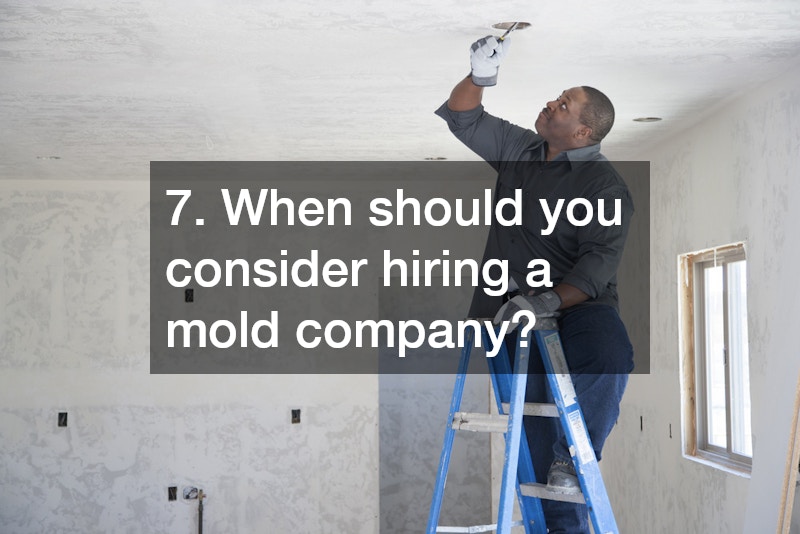
Mold presents serious health risks and property damage concerns, making timely intervention from a mold removal company essential. Initial signs include musty odors, visible discoloration on surfaces, and respiratory discomfort among inhabitants. Early identification of these warning signs allows for prompt engagement of expert mold removal companies.
While mold may be visible in certain cases, it often hides in less accessible areas, such as behind walls or beneath flooring. Professional assessments identify both surface and hidden mold, reducing chances of recurrence. Addressing mold at earliest detection points supports healthier home environments and long-term safety.
A comprehensive approach to identification includes assessing potential sources of moisture driving mold growth. Addressing these contributing factors helps prevent mold resurgence post-removal efforts. Invest in professional diagnostics to guide mold removal processes and improve property health.
7.2. Assessing the urgency of mold removal
Understanding the severity of mold infestations informs urgency of intervention. Visible mold growth, extensive coverage, or prolonged exposure heighten health and structural impact concerns. Engaging mold removal companies for immediate remediation helps contain effects and prevent widespread infestation.
Prolonged mold exposure can exacerbate existing health issues and structural breakdown, intensifying the need for urgent resolutions. Swift remediation protects asset value while safeguarding resident well-being. Establishing intervention timelines informed by professional assessment supports effective treatment implementation.
Evaluations should restrict intermission periods ahead of treatment to limit mold progression. Avoiding delays once indicators manifest hastens recovery of indoor air quality and living safety. Prioritizing immediate intervention advances preservation of property and resident lifestyles.
7.3. Preventing mold recurrence post-removal
Preventing mold recurrence involves addressing root causes and implementing maintenance strategies. Following successful removal, investing in moisture control measures helps maintain mold-free environments. Ensuring proper ventilation and monitoring humidity levels minimize conducive mold growth conditions.
Scheduling regular inspections supports early detection of regrowth, allowing swift remediation. Collaboration with mold removal companies provides continuity in protective measures sustaining healthy interiors. Proactive engagement in housekeeping and maintenance practices strengthens defenses against mold returns.