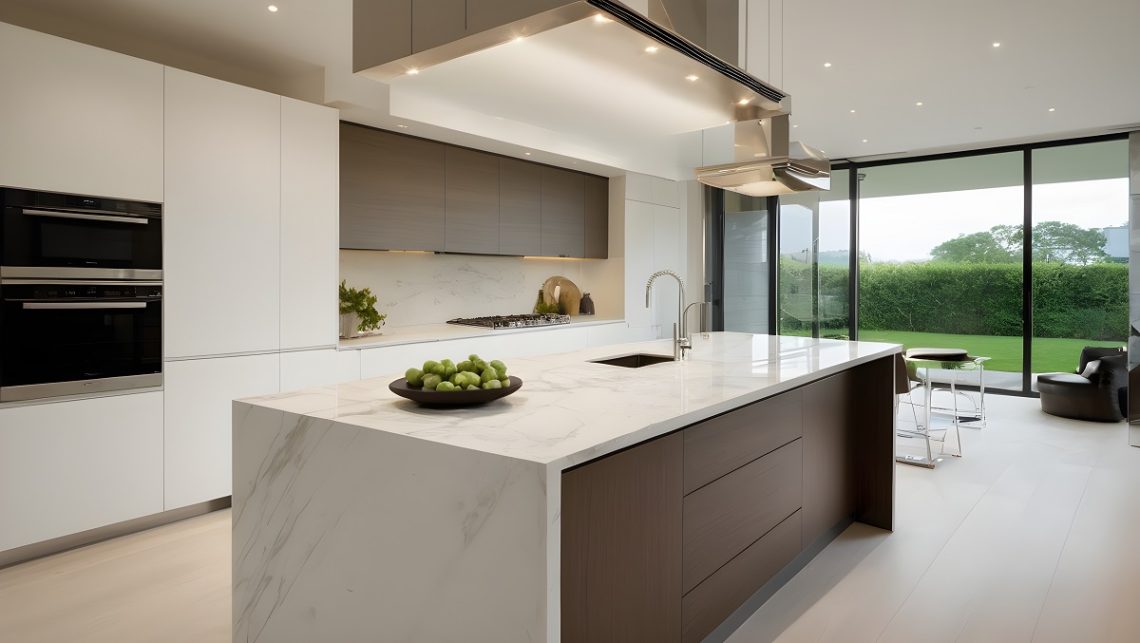
modern kitchen
Trendy Interiors

From Start to Finish: How Much Does It Cost to Remodel a Kitchen in 2026?

Highlights:

  • Most homeowners spend between $15,000 and $80,000 to remodel a kitchen in 2026, while luxury projects with custom features and structural changes can exceed $150,000.
  • Cabinets and labor are typically the two largest expenses, together accounting for nearly half of the total remodeling budget.
  • Keeping the existing kitchen layout is one of the most effective ways to control costs, since moving plumbing, gas lines, or walls can add thousands of dollars.
  • Setting aside a 15% to 20% contingency fund is essential to cover hidden issues such as water damage, mold, outdated wiring, or structural repairs.
  • A typical kitchen remodel takes 6 to 16 weeks once construction begins, but planning, design, and material ordering should start several months in advance.
  • Cost-saving strategies such as choosing semi-custom cabinets, midrange materials, and appliance package deals can reduce expenses without sacrificing quality.
  • Midrange kitchen remodels often provide the best return on investment, improving daily functionality while boosting resale appeal.

A kitchen remodel is one of the most exciting and valuable projects a homeowner can take on. It can improve the way your home functions, make everyday cooking easier, and significantly increase resale value. But before you start choosing cabinet colors or comparing countertops, one question usually comes first: how much does it cost to remodel a kitchen in 2026?

The answer depends on the size of your kitchen, the materials you select, the amount of labor required, and whether you plan to change the layout. A simple cosmetic update can cost far less than a full-scale renovation that involves moving plumbing, electrical, and walls.

In 2026, most homeowners can expect to spend anywhere from $15,000 to $80,000 or more for a kitchen remodel, with luxury renovations exceeding six figures. Understanding where your money goes will help you set realistic expectations and make informed decisions throughout the process.

This guide breaks down kitchen remodeling costs from start to finish so you can plan your budget with confidence.

What Is the Average Cost to Remodel a Kitchen in 2026?

Kitchen remodeling costs vary widely, but most projects fall into three general categories.

Minor Kitchen Remodel: $15,000 to $30,000

A minor remodel focuses on cosmetic and functional upgrades without altering the existing layout. This option is ideal if your kitchen works well but looks dated.

Typical improvements include:

  • Painting or refacing cabinets
  • Installing new countertops
  • Replacing the sink and faucet
  • Updating lighting fixtures
  • Adding a tile backsplash
  • Purchasing a few new appliances
  • Installing new flooring

This type of renovation offers one of the best returns on investment because it refreshes the space while keeping labor and structural costs under control.

Midrange Kitchen Remodel: $30,000 to $70,000

A midrange remodel often includes semi-custom cabinetry, upgraded appliances, better materials, and modest layout changes.

Common upgrades include:

  • New semi-custom cabinets
  • Quartz or granite countertops
  • Energy-efficient appliances
  • Durable flooring
  • New plumbing fixtures
  • Improved task lighting
  • Expanded storage solutions

This budget range strikes a balance between style, functionality, and long-term durability.

Major or Luxury Kitchen Remodel: $70,000 to $150,000+

A high-end remodel typically involves custom cabinetry, premium materials, and significant structural modifications.

Luxury projects may include:

  • Fully custom cabinets
  • Professional-grade appliances
  • Natural stone countertops
  • Large islands with seating
  • Smart home technology
  • Built-in beverage stations
  • Structural wall removal

These remodels are tailored to homeowners who want a showpiece kitchen with high-end finishes and advanced features.

How Much Does Kitchen Size Affect Remodeling Costs?
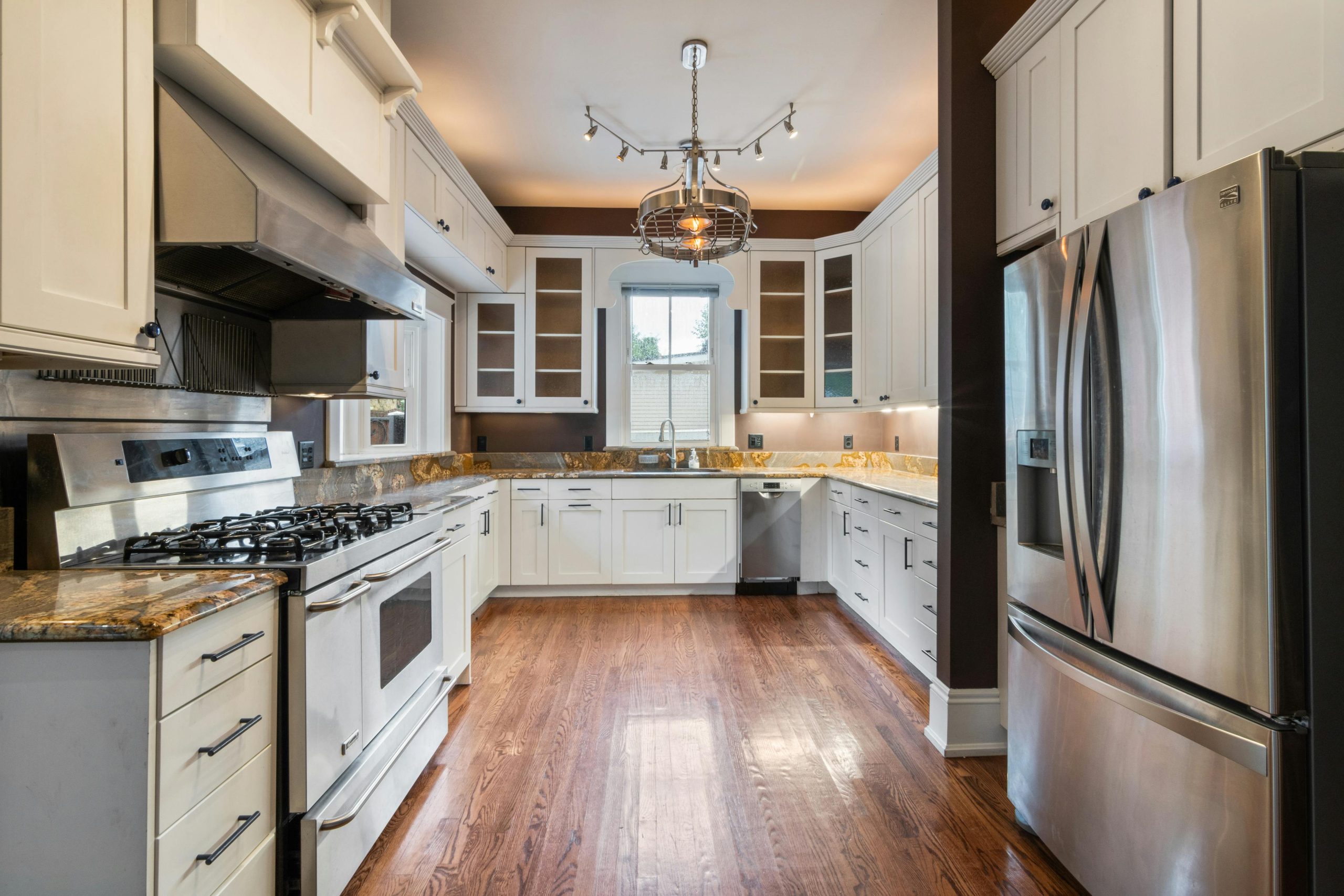
modern kitchen with high-end appliances

The larger the kitchen, the more materials and labor are required. More cabinets, additional flooring, and larger countertop surfaces all contribute to higher costs.

Estimated costs by kitchen size:

  • Small kitchen (70–100 sq. ft.): $15,000 to $35,000
  • Medium kitchen (100–200 sq. ft.): $25,000 to $70,000
  • Large kitchen (200+ sq. ft.): $50,000 to $150,000+

A small kitchen can still be expensive if you choose custom cabinetry or premium appliances, while a larger kitchen can remain affordable if you use cost-conscious materials.

Where Does the Money Go?

Many homeowners are surprised to learn that cabinets usually represent the largest portion of the budget.

Typical cost breakdown:

  • Cabinets: 25% to 35%
  • Labor: 20% to 30%
  • Appliances: 10% to 20%
  • Countertops: 10% to 15%
  • Flooring: 5% to 10%
  • Lighting and electrical: 5% to 10%
  • Plumbing fixtures: 3% to 7%
  • Permits and inspections: 1% to 5%

Understanding these percentages helps you prioritize where to invest and where to save.

How Much Do Kitchen Cabinets Cost?

Cabinets are often the biggest line item in any kitchen remodel.

Average cabinet costs in 2026:

  • Stock cabinets: $5,000 to $12,000
  • Semi-custom cabinets: $10,000 to $25,000
  • Custom cabinets: $25,000 to $60,000+

Stock Cabinets

Stock cabinets are pre-manufactured in standard sizes and are the most budget-friendly option.

Semi-Custom Cabinets

Semi-custom cabinets allow adjustments in dimensions, finishes, and accessories, offering more flexibility.

Custom Cabinets

Custom cabinetry is built to your exact specifications and provides unlimited design options.

What Will Countertops Cost?

Countertop pricing depends on material selection and total square footage.

Average installed costs:

  • Laminate: $20 to $60 per square foot
  • Butcher block: $40 to $100 per square foot
  • Granite: $50 to $150 per square foot
  • Quartz: $60 to $180 per square foot
  • Marble: $100 to $250+ per square foot

Quartz remains one of the most popular choices because it is durable, low-maintenance, and available in many styles.

Appliance Costs in 2026

Appliances can consume a substantial part of your budget.

Typical price ranges:

  • Refrigerator: $1,000 to $12,000
  • Range or cooktop: $800 to $10,000
  • Dishwasher: $500 to $2,500
  • Microwave: $200 to $1,500
  • Range hood: $500 to $5,000

Package deals may offer savings when purchasing several appliances from the same manufacturer.

Flooring Costs

Kitchen flooring must withstand moisture, spills, and heavy foot traffic.

Average installed prices:

  • Vinyl plank: $3 to $10 per square foot
  • Ceramic tile: $5 to $15 per square foot
  • Porcelain tile: $6 to $20 per square foot
  • Engineered hardwood: $7 to $18 per square foot
  • Natural stone: $10 to $30+ per square foot

Luxury vinyl plank remains a favorite for homeowners seeking durability and affordability.

Plumbing and Fixture Costs

Upgrading plumbing fixtures improves both function and appearance.

Typical costs:

  • Sink: $300 to $2,000
  • Faucet: $150 to $1,500
  • Garbage disposal: $200 to $800 installed
  • Pot filler: $400 to $1,200 installed

Relocating plumbing lines will significantly increase labor costs.

Electrical and Lighting Expenses

Modern kitchens require adequate lighting and enough outlets to support appliances.

Common electrical upgrades include:

  • Recessed lighting
  • Pendant fixtures
  • Under-cabinet lighting
  • Dedicated appliance circuits
  • USB and smart outlets

Estimated cost: $2,000 to $8,000 or more, depending on the complexity of the work.

Backsplash Costs

A backsplash protects walls and adds visual interest.

Installed cost ranges:

  • Ceramic tile: $800 to $2,500
  • Glass tile: $1,200 to $4,000
  • Natural stone: $1,500 to $5,000+

This relatively small feature can have a major impact on the finished look.

Labor Costs and Contractor Fees

Professional labor generally accounts for 20% to 30% of the total remodeling budget.

Trades involved may include:

  • General contractor
  • Cabinet installer
  • Electrician
  • Plumber
  • Flooring specialist
  • Tile setter
  • Painter

Coordinating all of these professionals is one reason many homeowners hire a general contractor rather than handling scheduling themselves. If you decide to oversee the work personally, learning how to manage multiple contractors for a kitchen remodel can help prevent scheduling conflicts and costly delays.
Do You Need Permits for a Kitchen Remodel?

Many kitchen remodels require permits, especially when plumbing, electrical, or structural work is involved.

Typical permit costs in 2026 range from $500 to $3,000, depending on local requirements and the scope of the project.

Projects that often require permits include:

  • Moving walls
  • Rewiring circuits
  • Relocating plumbing lines
  • Installing gas appliances
  • Enlarging windows or doors

Skipping permits may seem like a shortcut, but it can create problems during inspections, refinancing, or resale.

What Hidden Costs Should You Expect?

Even well-planned remodels can uncover unexpected issues once demolition begins.

Common hidden costs include:

  • Water damage behind cabinets
  • Mold remediation
  • Outdated wiring
  • Plumbing leaks
  • Uneven floors
  • Structural repairs
  • Asbestos or lead paint abatement

A contingency reserve of 15% to 20% of your budget helps cover surprises without derailing the project.

How Much Does It Cost to Change the Layout?

open-concept kitchen

Keeping your existing kitchen layout is one of the easiest ways to control costs. Moving appliances, sinks, and walls can quickly increase labor and material expenses.

Estimated additional costs:

  • Moving a sink: $1,500 to $5,000
  • Relocating a gas range: $1,000 to $4,000
  • Moving electrical panels or circuits: $1,000 to $5,000
  • Removing a non-load-bearing wall: $1,500 to $5,000
  • Removing a load-bearing wall: $5,000 to $20,000+

If your current layout functions well, updating finishes rather than relocating infrastructure can save thousands.

Is DIY Worth It?

Some homeowners choose to tackle portions of a kitchen remodel themselves to reduce labor costs.

DIY-friendly tasks include:

  • Painting walls
  • Installing hardware
  • Demolition
  • Assembling ready-to-install cabinets
  • Installing a backsplash if you have tiling experience

Projects best left to professionals include:

  • Electrical work
  • Plumbing modifications
  • Gas connections
  • Structural changes
  • Countertop fabrication

Taking on only the tasks you are confident completing can reduce costs while minimizing risk.

When Should You Start Planning?

The best kitchen remodels are carefully planned months before demolition begins. Product lead times, contractor availability, and permit approvals all affect the schedule.

A smart approach is to think about when to plan home improvements well before your desired completion date. Many homeowners begin researching six to twelve months in advance so they can compare materials, gather estimates, and secure preferred contractors.

Typical Kitchen Remodel Timeline

A kitchen remodel usually takes between 6 and 16 weeks once construction begins, though custom features and supply delays can extend the schedule.

General timeline:

  1. Planning and design: 2 to 8 weeks
  2. Bidding and contract review: 1 to 3 weeks
  3. Permit approvals: 1 to 6 weeks
  4. Ordering materials: 2 to 12 weeks
  5. Demolition: 2 to 5 days
  6. Rough plumbing and electrical: 1 to 2 weeks
  7. Drywall and painting: 3 to 7 days
  8. Cabinet installation: 3 to 7 days
  9. Countertop templating and installation: 1 to 3 weeks
  10. Flooring and backsplash: 3 to 10 days
  11. Final inspections and punch list: 1 week

Understanding the timeline helps you plan for temporary cooking arrangements and household disruptions.

How to Save Money Without Sacrificing Quality

A beautiful kitchen does not require unlimited spending. Strategic choices can reduce costs while preserving long-term value.

Ways to save money:

  • Keep the existing layout
  • Reface or repaint cabinets
  • Choose semi-custom instead of fully custom cabinetry
  • Select durable midrange materials
  • Shop appliance sales and package discounts
  • Use luxury vinyl plank instead of natural stone
  • Complete simple tasks yourself
  • Compare multiple contractor bids

The goal is to invest in the elements that matter most to your daily use and your home’s resale potential.

Which Upgrades Deliver the Best Return on Investment?

Kitchen remodels consistently rank among the most valuable home improvements. Buyers pay close attention to kitchens, and updated spaces often help homes sell faster.

Features that tend to offer strong returns include:

  • New cabinets or cabinet refacing
  • Quartz countertops
  • Energy-efficient appliances
  • Improved lighting
  • Functional storage upgrades
  • Neutral finishes

Midrange remodels often provide better returns than ultra-luxury renovations, especially in neighborhoods where high-end upgrades exceed local market expectations.

Sample Kitchen Remodel Budgets

Budget-Friendly Refresh: Around $20,000

  • Painted stock cabinets
  • Laminate or butcher block countertops
  • New sink and faucet
  • Vinyl plank flooring
  • Standard appliances
  • Tile backsplash

Midrange Remodel: Around $50,000

  • Semi-custom cabinets
  • Quartz countertops
  • Stainless steel appliances
  • Tile flooring
  • Upgraded lighting
  • Built-in organizers

High-End Remodel: Around $100,000+

  • Custom cabinetry
  • Professional-grade appliances
  • Natural stone countertops
  • Structural changes
  • Smart technology
  • Designer lighting

These examples show how material choices and project scope affect the final investment.

Questions to Ask Before Setting Your Budget

Before meeting with contractors, consider the following:

  • What is my maximum comfortable spending limit?
  • Which features matter most to me?
  • Will I stay in this home long-term?
  • Am I remodeling for resale?
  • Can I handle any work myself?
  • How much should I reserve for unexpected issues?

Clear answers help you prioritize and make informed trade-offs.

Financing Options for a Kitchen Remodel

Many homeowners finance all or part of their renovation.

Common financing methods include:

  • Savings
  • Home equity loan
  • Home equity line of credit (HELOC)
  • Cash-out refinance
  • Personal loan
  • Credit cards for smaller purchases

Compare interest rates, fees, and repayment terms before choosing a financing strategy.

How to Compare Contractor Estimates

When reviewing bids, look beyond the bottom-line price.

Each estimate should clearly outline:

  • Scope of work
  • Materials and allowances
  • Labor costs
  • Project timeline
  • Permit responsibilities
  • Payment schedule
  • Warranty information

The most accurate estimate is often the one with the greatest detail rather than the lowest cost.

Red Flags That Can Increase Costs

Watch for issues that may lead to budget overruns:

  • Vague contracts
  • Unrealistically low bids
  • Large upfront payments
  • No contingency allowance
  • Frequent design changes after construction begins
  • Ordering materials too late

Avoiding these pitfalls can save substantial time and money.

Is Remodeling Your Kitchen Worth the Cost?

For many homeowners, the answer is yes. A kitchen remodel can improve workflow, increase storage, reduce energy use, and enhance the enjoyment of your home.

A well-designed kitchen also strengthens resale appeal and can help your property stand out in a competitive market.

The key is matching the investment to your goals. If you plan to stay in your home for years, prioritize function and quality. If you expect to sell soon, focus on updates with broad buyer appeal.

Final Thoughts

So, how much does it cost to remodel a kitchen in 2026? Most homeowners spend between $15,000 and $80,000, while large or luxury projects can exceed $150,000. The final cost depends on kitchen size, material choices, labor, layout changes, and unexpected repairs.

By understanding each expense category and planning carefully, you can create a realistic budget that aligns with your needs and priorities. Whether you are making modest updates or building your dream kitchen, a thoughtful remodel is an investment that can improve both daily life and long-term home value.